


When Should Children See an Orthodontist?
The American Association of Orthodontists recommends that children have their first orthodontic check-up no later than age 7. At this stage, an orthodontist can assess how the teeth and jaws are developing and identify potential concerns with bite alignment, jaw growth, or spacing.
An early assessment does not necessarily mean that treatment must begin immediately. Some children may benefit from early intervention, while others may only need monitoring until more permanent teeth emerge. The right timing depends on each child's individual development and orthodontic needs.


When Should Adults See an Orthodontist?
Orthodontic treatment is not limited to children and teenagers. Adults can also benefit from an orthodontic assessment to address concerns such as crowded teeth, gaps, crooked teeth, or bite problems.
Whether you are considering braces for the first time or exploring treatment to address changes in your teeth over time, an orthodontist can evaluate your needs and recommend suitable options. Age does not determine whether orthodontic treatment is possible. The most suitable treatment depends on your dental health, the condition of your teeth and gums, and your individual orthodontic needs.
Signs You May Need Orthodontic Treatment
Certain signs may indicate that an orthodontic assessment would be helpful. These include:- Crowded, crooked, or overlapping teeth.
- Noticeable gaps between teeth.
- A deep bite, open bite, or crossbite. Difficulty biting or chewing comfortably.
- Teeth that do not meet properly when you close your mouth.
- Jaw discomfort or difficulty moving the jaw.
- Teeth that appear to be wearing unevenly.
These signs do not always mean that orthodontic treatment is necessary. An orthodontist can assess your teeth, bite, and jaw alignment to determine whether treatment would be beneficial and which options may be suitable.


Your First Orthodontist Visit
At Nadim Orthodontic Clinic, we aim to make your first visit comfortable and informative. We understand that orthodontic treatment can be a long-term commitment, so we encourage every patient to discuss their concerns and ask questions from the beginning.
During your first visit, we will discuss your concerns and perform an initial examination. You will have the opportunity to learn about potential treatment options and, where appropriate, review examples of previously treated cases.
If additional diagnostic records, such as photographs, dental X-rays, or digital scans, are needed, the team will explain the next steps. These records help us develop a more detailed treatment plan and estimate the expected treatment duration.
Types of Orthodontic Treatment
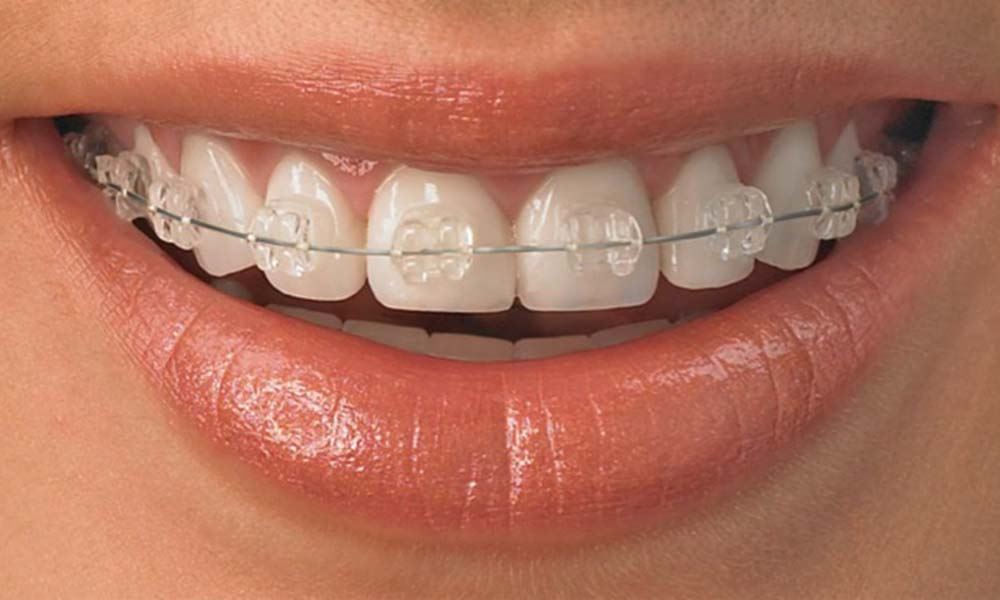
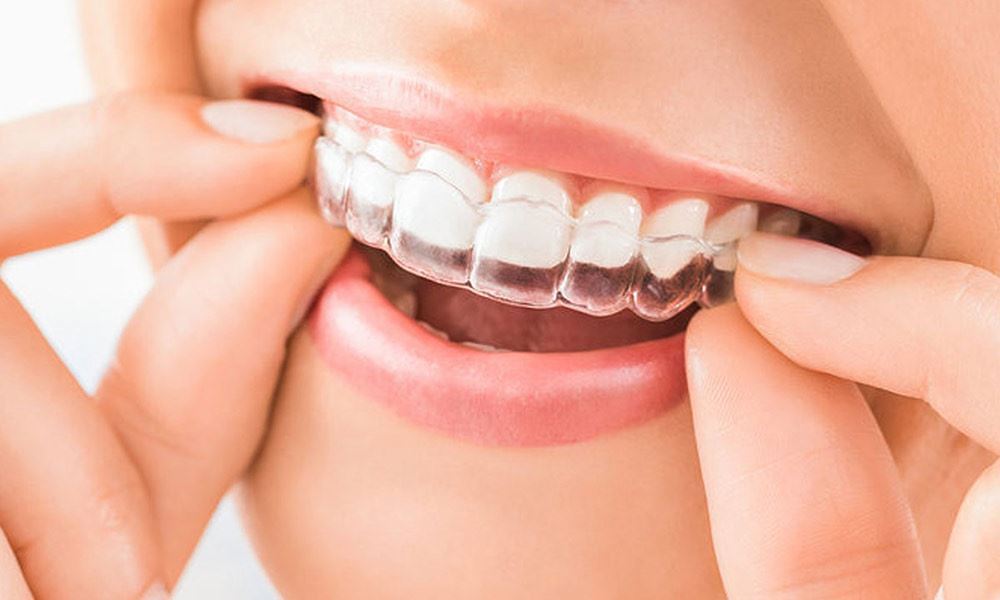
At Nadim Orthodontic Clinic, we offer a range of orthodontic treatment options tailored to each patient's age, dental alignment, bite, and treatment goals. These include traditional metal braces, tooth-colored ceramic braces, discreet lingual braces attached to the inner surfaces of the teeth, and removable clear aligners for suitable cases. For growing children, growth modification may also help guide jaw development when clinically appropriate. An orthodontic assessment can help determine the most suitable treatment option for each patient.

How Long Does Orthodontic Treatment Take?
The duration of orthodontic treatment varies from one patient to another. Factors such as the complexity of the case, the type of appliance used, the patient's individual response to treatment, and adherence to the orthodontist's instructions can all affect the timeline.
Some cases may be completed within several months, while others require two years or longer. Your orthodontist can provide an estimated treatment duration after evaluating your teeth and bite and developing a personalized treatment plan.
Attending scheduled appointments and following your orthodontist's instructions can help treatment progress as planned.
How to Care for Your Braces
Good oral hygiene is especially important during orthodontic treatment. Food and plaque can collect around brackets and wires, increasing the risk of tooth decay, gum problems, and white spots on the teeth.
To care for your braces:
- Brush carefully after meals, paying attention to the areas around brackets and wires.
- Clean between your teeth daily using suitable flossing tools or interdental brushes.
- Limit hard, sticky, and chewy foods that may damage brackets or wires.
- Follow your orthodontist's instructions about foods to avoid and how to maintain your appliance.
- Attend scheduled adjustment appointments and routine dental check-ups.
- Contact your orthodontist if a bracket becomes loose, a wire breaks, or an appliance causes persistent discomfort.
Maintaining good oral hygiene throughout treatment helps protect your teeth and gums while your smile is being aligned.

Costs and Payment Options
The cost of orthodontic treatment depends on several factors, including the type of treatment selected, the complexity of the case, and the expected duration of treatment. Different appliances may involve different costs, so an individual assessment is important before receiving a treatment estimate.
At Nadim Orthodontic Clinic, patients are encouraged to discuss the available payment options with the team before beginning treatment. During your consultation, ask about the costs associated with your recommended treatment and the payment arrangements currently available.
Understanding the treatment plan and its financial requirements can help you make an informed decision about your orthodontic care.